

Services

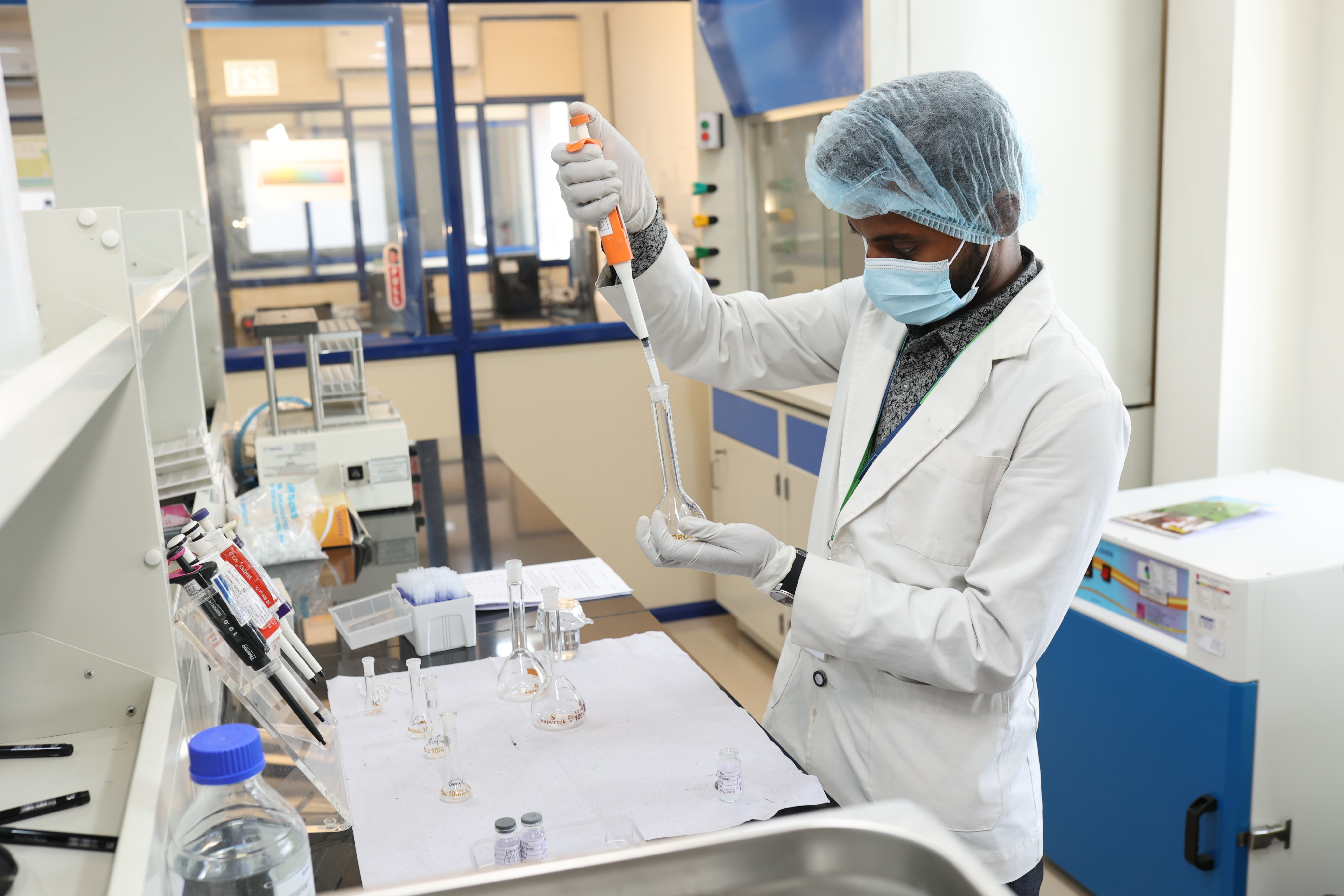
At Liveon Biolabs, we offer a comprehensive range of preclinical research services designed to meet global regulatory expectations across industries. Our portfolio includes toxicology, pharmacology, biocompatibility, microbiology, analytical chemistry, and bioanalytical studies—covering both standard protocols and customized study designs.

Our facility is well-equipped with advanced instrumentation, AAALAC-accredited animal housing, and GLP-compliant infrastructure to support complex study requirements. These capabilities are backed by a team of trained scientists, toxicologists, and study directors who bring deep domain expertise and a commitment to scientific precision.

Studies conducted at Liveon Biolabs have consistently met the quality and documentation standards required for regulatory submission. We take pride in the clarity, traceability, and reliability of our data—and in the trust placed in us by clients across pharmaceuticals, medical devices, biologics, and more.


Industry We Serve

We support your journey to develop new physical, chemical and biological products that enhance the quality of human life. We collaborate with you to ensure that your products are safe to use and compliant to the regulatory parameters through rigorous testing.

Our quality assurance team works to maintain quality as per GLP guidelines and ensures that our studies meet regulatory standards.

🧪 Pharmaceuticals & Biologics

We ensure the safety, efficacy, and regulatory readiness of new drugs and biologics through comprehensive preclinical evaluation.

Toxicology:

Safety studies to assess dose-dependent effects of drug candidates using GLP-compliant protocols across multiple species.

Guidelines: OECD TG 407, 408, 410, 411; ICH M3(R2), ICH S6(R1); ISO 10993 series.

Pharmacology:

Conduct in vivo and in vitro studies to demonstrate therapeutic potential and mechanisms of action.

Guidelines: ICH S7A/B, ICH M3(R2).

Bioanalytical:

Perform pharmacokinetic (PK), toxicokinetic (TK), and biomarker analysis using validated LC-MS/MS methods.

Guidelines: FDA Bioanalytical Method Validation Guidance, EMA Guideline on Bioanalytical Method Validation.

Anatomical Pathology:

Detect tissue-level changes through histopathology, immuno-histochemistry and necropsy to identify drug related effects.

Guidelines: OECD TG 407, 408 (histopathology sections); ISO 10993-6 (implantation effects).

Clinical Pathology:

Assess hematology, biochemistry, and urinalysis parameters to assess systemic toxicity.

Guidelines:OECD TG 407, 408; CLSI guidelines for hematology and biochemistry.

Analytical Chemistry:

Development and validation of methods to measure drug concentration, stability, and purity in test systems.

Guidelines: ICH Q2(R1), USP <1225>, ISO 17025.

de-an-sun-Te0IbU2haug-unsplash

Biosafety:

Verify and ensure that the test item is free of adventitious agents and endotoxins to meet regulatory expectations.

Guidelines: USP <85> (Endotoxin Test), FDA Guidance on Biosafety.

Genotoxicity/Mutagenicity:

Inspect for Induced DNA damage and chromosomal abnormalities through standard genotoxicity assays in vitro and in vivo.

Guidelines:OECD TG 471, 473, 474; ICH S2(R1).

🧫 Medical Devices

We support the biological safety and regulatory validation of devices intended to improve human health and quality of life.

Biocompatibility :

Analyse cytotoxicity, sensitization, irritation, and systemic toxicity induced by devices, per ISO 10993 series.

Guidelines: ISO 10993-1 to -23, especially ISO 10993-5, -10, -11, -20.

Microbiology/Sterility Testing:

Perform sterility, bioburden, and endotoxin testing to ensure compliance with pharmacopeial and ISO standards.

Guidelines: USP <71> (Sterility), USP <61> (Bioburden), ISO 11737 series.

Analytical Chemistry:

Analyse leachables and extractables to assess chemical safety of device materials.

Guidelines: ISO 10993-18, USP <1663>, <1664>.

Toxicology: 

Perform safety testing and toxicokinetic studies for device-related materials and extractables when required.

Guidelines: ISO 10993-11, OECD TG 407.

Screenshot 2025-07-24 115357

🌾 Agrochemicals & Food Additives

We ensure the safe use of pesticides, herbicides, and food-grade chemicals through comprehensive toxicological and environmental studies.

Toxicology:

Conduct acute, sub-chronic, and chronic exposure studies to measure systemic impact.

Guidelines: OECD TG 401, 402, 408, 414, 421 and EPA guidelines.

Genotoxicity/Mutagenicity:

Identify potential DNA or chromosomal damage caused by agrochemicals or additives.

Guidelines: OECD TG 471, 473, 474.

Analytical Chemistry:

Perform residue analysis, method validation, and formulation stability testing for regulatory submissions.

Guidelines: OECD GLP 1, ICH M10, ICH Q1 R1/R2 Principles.

Clinical Pathology:

Detect physiological responses in test systems to detect systemic effects.

Guidelines: OECD TG 407, 408.

Environmental Monitoring:

Measure environmental fate and behavior of agrochemicals to support ecotoxicology safety.

Guidelines: OECD TG 301, 302, 308, 309; EPA guidelines

Additional note: As we develop our in-house facility for complaint ecotoxicology studies, we currently partner with another lab for this testing.

⚗️ Industrial Chemicals

We support risk assessment and regulatory compliance for chemicals used in manufacturing, construction, and consumer products.

Toxicology:

Analyse the systemic and organ-level toxicity of industrial chemicals across multiple exposure routes.

Guidelines: OECD TG 407, 408, 410, 411; REACH Annexes; EPA OPPTS.

Analytical Chemistry:

Supports impurity profiling, stability studies, and material characterization as per regulatory body requirements.

Guidelines: REACH Annexes, EPA, OECD GLP.

Genotoxicity/Mutagenicity:

Determines potential genetic hazards through validated in vitro and in vivo assays.

Guidelines: OECD TG 471, 473, 474.

 Pathology:

Provides detailed tissue evaluations to detect sub-lethal and chronic effects of chemical exposure.

Guidelines: OECD TG 407, 408.

o.

Study List

Our well equipped facility and well trained staff can perform a wide range of routine and custom studies to ensure that your product is well tested and welladjusted for suitable use.

File iconAnalytical & Physical chemistry

Analytical Chemistry

Perform dose formulation, stability, and homogeneity analyses to ensure accuracy and consistency using validated HPLC and LC-MS assay.

Guidelines: ICH Q2(R1), OECD GLP Principles, USP <1225>.

Physical chemistry

These studies characterize the physicochemical properties of drug substances and formulations. It evaluates parameters which are critical for predicting absorption, safety, and shelf life.

Basic Physical Properties

Determine key material traits including physical state, color, pH, viscosity, and thermal characteristics.

Guidelines: OECD Test Guidelines (TG) 102 (Melting Point), TG 103 (Boiling Point), ISO 787 series (Color), ISO 3104 (Viscosity), ASTM E70 (pH measurement).

🔹Stability and safety related properties

Assess long-term storage stability and key safety parameters like flash point and flammability.

Guidelines: OECD TG 101 (Flash Point), OECD TG 117 (Partition Coefficient), ISO 10456 (Stability), ASTM D93 (Flash Point).

🔹Solubility and partitioning

Evaluate solubility profiles and partition behavior in water and organic solvents (Log P, miscibility)

Guidelines: OECD TG 105 (Water Solubility), OECD TG 107 and 117 (Partition Coefficient), ISO 2811 (Density)

🔹Formulation characterization

Measure formulation performance attributes including emulsion stability, suspensibility, and dustiness.

Guidelines: OECD TG 318 (Suspensibility), ISO 12103 (Dustiness), ASTM D4740 (Emulsion Stability).

🔹Chemical reactivity

Analyze surface tension, corrosion potential, dissociation constants, and moisture-related reactivity.

Guidelines: OECD TG 112 (Dissociation), ISO 9227 (Corrosion Testing), ASTM D1293 (pH), ISO 787-4 (Acidity).

💉Pharmacology studies

These studies investigate the therapeutic effects and mechanisms of action of drug candidates through in vitro and in vivo models. It is essential for demonstrating pharmacodynamic activity, dose-response relationships, and target engagement, forming the scientific basis for efficacy before clinical trials.

Drug Metabolism & Pharmacokinetics (DMPK)

Conduct bioanalysis of blood and tissue samples to evaluate drug absorption, distribution, metabolism, and excretion.

Efficacy Studies Using Bioanalytical Assays

Measure pharmacodynamic responses and potency through validated biological assays.

  • FSH & LH Bioassays (Urofollitropin, Menotropin)

Determine effect on follicle-stimulating and luteinizing hormone activity in compliance with IP, BP, and USP standards.

  • HCG Bioassay

Assess the potency and biological activity of Human Chorionic Gonadotropin using pharmacopeial methods.

  • Erythropoietin Bioassay (EP)

Quantify the bioactivity of erythropoietin to support efficacy testing.

  • Insulin Biopotency Test (USP)

Evaluate insulin’s pharmacological strength in accordance with USP guidelines.

  • Insulin Bioidentity Test (USP)

Confirm the identity and consistency of insulin formulations through USP-compliant assays.

  • Heparin & Enoxaparin Anti-Xa/IIa Activity

Measure anticoagulant potency via chromogenic substrate assays targeting Factor Xa and IIa.

Specific bioassays for hormones and biologics (e.g., FSH, LH, HCG, Erythropoietin, Insulin, Heparin) are guided by respective pharmacopeial standards (USP, EP, BP, IP) rather than OECD or ICH guidelines.

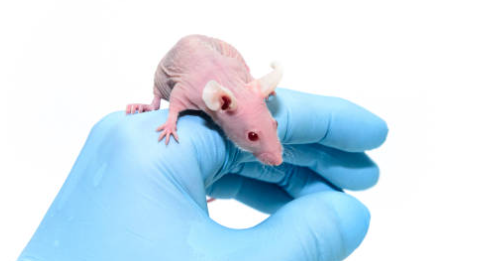
Animal studies: Rat, Mice, Nude Mice, Rabbits, Guinea Pigs:

Route of administration: Oral, Intravenous, Intradermal, Intraperitoneal, Intramuscular, Topical, Ocular, Intraocular, Intravitreal, Intracorneal, Intratracheal, Sublingual in rabbits.

Disease models:

Ulcer Models, Xenograft Models, Colitis Models, Diabetes Models, Infection Models, Chemically Induced Disease Models

Utilize various animal models to study disease mechanisms and evaluate therapeutic interventions.

Guidelines: Based on verified scientific literature.


☣️Toxicology Studies

Toxicology studies are conducted to assess the potential harmful effects of pharmaceutical, chemical, or biological substances on living systems. These studies are crucial for determining safe dosage ranges and identifying any adverse effects before clinical trials.

In Vitro Toxicology Studies

🔹Eye Irritation Tests

Assess ocular irritation potential using reconstructed human cornea-likeepithelium models.

🔹Skin irritation and corrosion tests

Assess dermal irritation and corrosion using reconstructed human skin-like epithelium models

Guidelines: OECD 439, 492.


🔹Cytotoxicity Assays

Evaluate cell viability and membrane integrity to determine cytotoxic potential.

Guidelines: ISO 10993-5.

🔹Phototoxicity assays

Evaluate cell viability to  determine phototoxic potential of photoreactive compounds using mono layer as well as reconstructed epithelium.

Guidelines: OECD 432, 498.

In vivo Toxicology  Studies

🔹Dose Range Finding & Maximum Tolerated Dose (MTD) Studies

Determine appropriate dosing levels for subsequent toxicity studies.

Guidelines: OECD TG 407, 408.

🔹Single and Repeated Dose Toxicity Studies

Assess systemic toxicity following single or multiple exposures via various routes through hormone bioassays and histopathological assessment.

Guidelines: OECD TG 407, 408, 410, 411: Covering oral, dermal, and inhalation routes.

🔹Chronic Toxicity Studies

Evaluate long-term toxic effects of substances on health and well being of subjects over an extended period.

Guidelines: OECD TG 452.

🔹Acute Dermal Toxicity

Assesses systemic toxicity following a single dermal application to determine safety classification and dose thresholds for skin exposure.
Guideline: OECD 402.

🔹Inhalation Toxicity

Evaluates the acute effects of test substances following inhalation exposure to assess respiratory toxicity and hazard classification.

Guideline: OECD 403.

 🔹Acute Dermal Irritation

Determines the potential of a substance to cause skin irritation or corrosion following short-term dermal contact.

Guideline: OECD 404.

🔹Acute Eye Irritation

Assesses the potential of chemicals or formulations to cause irritation or serious damage to the eye’s mucous membranes.

Guideline: OECD 405.

🔹Skin Sensitisation

Evaluates the potential of a substance to induce skin sensitization reactions after repeated dermal exposure.

Guideline: OECD 406.
🔹Repeated Dose 28-Day Oral Toxicity

Determines the toxic effects of daily oral exposure over 28 days to identify target organ toxicity and establish NOAEL.

Guideline: OECD 407.

🔹Repeated Dose 90-Day Oral Toxicity

Assesses sub-chronic toxicity following daily oral administration for 90 days, supporting safety evaluations for regulatory submissions.

Guideline: OECD 408.

🔹Acute Oral Toxicity (Fixed Dose Method)

Evaluates acute toxicity via oral exposure to estimate median lethal dose (LD50) using a fixed dose approach.

Guideline: OECD 420.

🔹Acute Oral Toxicity (Acute Toxic Class Method)

Determines acute oral toxicity using stepwise dosing to classify hazard potential efficiently.

Guideline: OECD 423.

🔹Carcinogenicity Studies

Investigate the potential of substances to induce cancer.

Guidelines: OECD TG 451, 453.

🔹Reproductive and Developmental Toxicity Studies

Examine effects on reproduction and development. Studies done for two generations.

Guidelines: OECD TG 421, 414, 443.

🔹Irritation and Sensitization Studies

Assess potential to cause skin, mucous membrane or eye irritation and sensitization.

Guidelines: OECD TG 405, 429, 442B.

🔹Immunotoxicity Studies

Evaluate immune responses, including cytokine profiling and antibody production.

Guidelines: ISO 10993-20.

🔹Pyrogen Testing

Detect endotoxins and pyrogenic substances that may cause fever.

Guidelines: USP <151>, USP <85>.

🔹Biocompatibility Studies

Assess compatibility of materials with biological systems through intramuscular, subcutaneous, bone and ocular implantations.

Guidelines: ISO 10993 series.

Animal studies: Rat, Mice, Nude Mice, Rabbits, Guinea Pigs:

Route of administration: Oral, Intravenous, Intradermal, Intraperitoneal, Intramuscular, Topical, Ocular, Introcular, Intravitreal, Intracorneal, Intratracheal, Sublingual in rabbits.

Disease models:

Ulcer Models, Xenograft Models, Colitis Models, Diabetes Models, Infection Models, Chemically Induced Disease Models

Utilize various animal models to study disease mechanisms and evaluate therapeutic interventions.

Guidelines: Based on verified scientific literature.

🧬Genotoxicity and mutagencity

Mutagenicity studies are designed to detect genetic mutations that may be induced by a substance. These studies form a key part of genotoxicity testing and help assess the potential for DNA damage.

In vitro studies

Assess cellular toxicity to screen compound safety in early development stages.

🔹Cell Viability Assays (Qualitative & Quantitative)

Evaluate cell health and proliferation to determine cytotoxic effects.

Guidelines: ISO 10993 series.

🔹Mutation Tests

Detect gene-level mutations to assess potential mutagenic risks using various in vitro assays.

  • Bacterial Reverse Mutation Test (Ames Test)

Guidelines: OECD TG 471.

  • Mouse Lymphoma Assay (TK6 Assay)

Guidelines: OECD TG 490.

  • HPRT Assay (Cell Gene Mutation)

Guidelines: OECD TG 476.

  • Mammalian Cell Micronucleus Test

Guidelines: OECD 487.

  • Cell Gene Mutation Test

Guidelines: OECD TG 476.

  • Chromosomal Aberration Test

Identify structural chromosomal changes in cultured cells following test compound exposure.

Guidelines: OECD TG 473.

  • Comet Assay

Guidelines: OECD TG 489.

  • Mouse Lymphoma Assay

Guidelines: OECD TG 490.

  • Micronucleus Test

Detect chromosomal damage by measuring micronuclei formation in dividing cells.

Guidelines: OECD TG 487.

In vivo studies

🔹 Mammalian Erythrocyte Micronucleus Test 

Detects chromosomal damage in bone marrow or peripheral blood erythrocytes of rodents.

Guidelines: OECD TG 474.

🔹Mammalian Bone Marrow Chromosome Aberration Test

Assesses structural chromosomal aberrations in bone marrow cells following in vivo exposure.

Guidelines: OECD TG 475.

🫀Biocompatibility Studies

Evaluate the safety of medical devices by assessing their potential to cause irritation, sensitization, cytotoxicity, or systemic toxicity.

🔹Guinea Pig Maximization Test

Evaluates a material’s potential to cause delayed hypersensitivity reactions using an enhanced sensitization protocol in guinea pigs.

Guideline: ISO 10993-10:2021.

🔹Intracutaneous Reactivity Test in New Zealand White Rabbits

Assesses localized tissue irritation responses following intracutaneous injection of extracts in rabbits.

Guideline: ISO 10993-23:2021.

🔹Skin Irritation Test in New Zealand White Rabbits

Determines the potential of a material or extract to cause dermal irritation upon direct skin exposure.

Guideline: ISO 10993-23:2021.

🔹Pyrogen Studies

Evaluates febrile responses to detect pyrogenic contaminants in medical device extracts or injectable products.

Guideline: ISO 10993-11:2017 &amp; USP &<151>

🔹Skin Sensitization – Buehler Test

Assesses the potential of materials to cause contact sensitization following repeated dermal exposure in guinea pigs.

Guideline: ISO 10993-10:2021.

🔹Oral Mucosa Irritation Test

Determines the irritation potential of materials when in contact with the oral mucosal tissue.

Guideline: ISO 10993-23:2021.

🔹Hemolysis by Direct Method

Evaluates direct contact-induced red blood cell lysis to assess blood compatibility.

Guideline: ISO 10993-4:2017 & ASTM F756.

🔹Hemolysis by Indirect Method

Assesses hemolytic effects caused by extractable substances from medical devices when incubated with blood.

Guideline: ISO 10993-4:2017 & ASTM F756.

🔹Acute Systemic Toxicity

Determines systemic toxic effects following a single-dose administration of extracts via applicable routes.

Guideline: ISO 10993-11:2017.

🔹Implantation Muscle

Evaluates local tissue responses to materials implanted intra-muscularly to assess bio-compatibility.

Guideline: ISO 10993-6:2016.

🔹Implantation Bone

Assesses the biological response of bone tissue to implanted materials for orthopedic device evaluations.

Guideline: ISO 10993-6:2016.

🔹Subacute Intravenous/Intraperitoneal

Determines systemic toxicity effects after repeated intravenous or intraperitoneal administration over a subacute duration.

Guideline: ISO 10993-11:2017.

🔹Subchronic Intravenous/Intraperitonea

Evaluates systemic toxicity effects following repeated intravenous or intraperitoneal dosing over a subchronic period.

Guideline: ISO 10993-11:2017.

🔹Ocular Irritation Test 

Assesses the potential of materials or extracts to cause irritation to the eye’s mucous membranes.

Guideline: ISO 10993-23:2021.

🔹Subacute Subcutaneous

Determines systemic toxicity effects after repeated subcutaneous administration over a subacute study period.

Guideline: ISO 10993-11:2017.

🔹Subchronic Subcutaneous 

Evaluates systemic toxicological effects following subchronic subcutaneous exposure to test materials.

Guideline: ISO 10993-11:2017.

🔹Penile Irritation Test 

Assesses irritation potential when materials come in contact with penile mucosa or tissue.

Guideline: ISO 10993-23:2021.

🔹Vaginal Irritation Test

Determines the irritation response of vaginal mucosa to medical devices or product extracts.

Guideline: ISO 10993-23:2021.

🔹Rectal Irritation Test 

Evaluates irritation potential when materials or products are in contact with rectal mucosa.

Guideline: ISO 10993-23:2021.

🔹Implantation Subcutaneous

Assesses local tissue reactions to materials implanted subcutaneously to evaluate biocompatibility.

Guideline: ISO 10993-6:2016.

🔹Implantation Intraperitoneal

Determines the biocompatibility and local tissue response to materials implanted in the peritoneal cavity.

Guideline: ISO 10993-6:2016.

🛡️Biosafety testing

Biosafety studies evaluate the safety profile of biologics, gene therapies, and other biopharmaceuticals. These assessments ensure that biological materials do not pose a risk to humans or the environment.

🔹 Microbiology Screening

🔹 Sterility Test

🔹 Bacterial Endotoxin Test (Quantitative)

Flask iconClinical chemistry and pathology

Clinical chemistry studies are used to evaluate the biochemical and metabolic responses of test subjects to pharmaceutical compounds.

🔹Liver & Renal Function Tests (LFT/RFT)

Comprehensive analysis of liver enzymes and kidney markers to monitor systemic toxicity.

🔹Lipid Profile & Electrolytes

Evaluate cardiovascular and metabolic health through lipid levels and electrolyte balance.

🔹Urine Analysis

Assess kidney function and detect metabolic or toxicological abnormalities via urine biomarkers.

🔹Hematology

Analyze blood components including RBCs, WBCs, hemoglobin, and platelets (distinct from coagulation testing).

🔹Biochemistry Analysis

Measure clinical biomarkers in serum or plasma for systemic toxicity evaluation.
🔹ASTM Hemolysis Test

Evaluate hemolytic potential of substances on red blood cells under standardized conditions.

🔹Coagulation Panel (PT, PTT, TT)

Assess clotting function via prothrombin, thrombin, and partial thromboplastin times.

🔹Complement Assay (C3a, SC5b-9)

Measure immune response activation through complement system biomarkers.

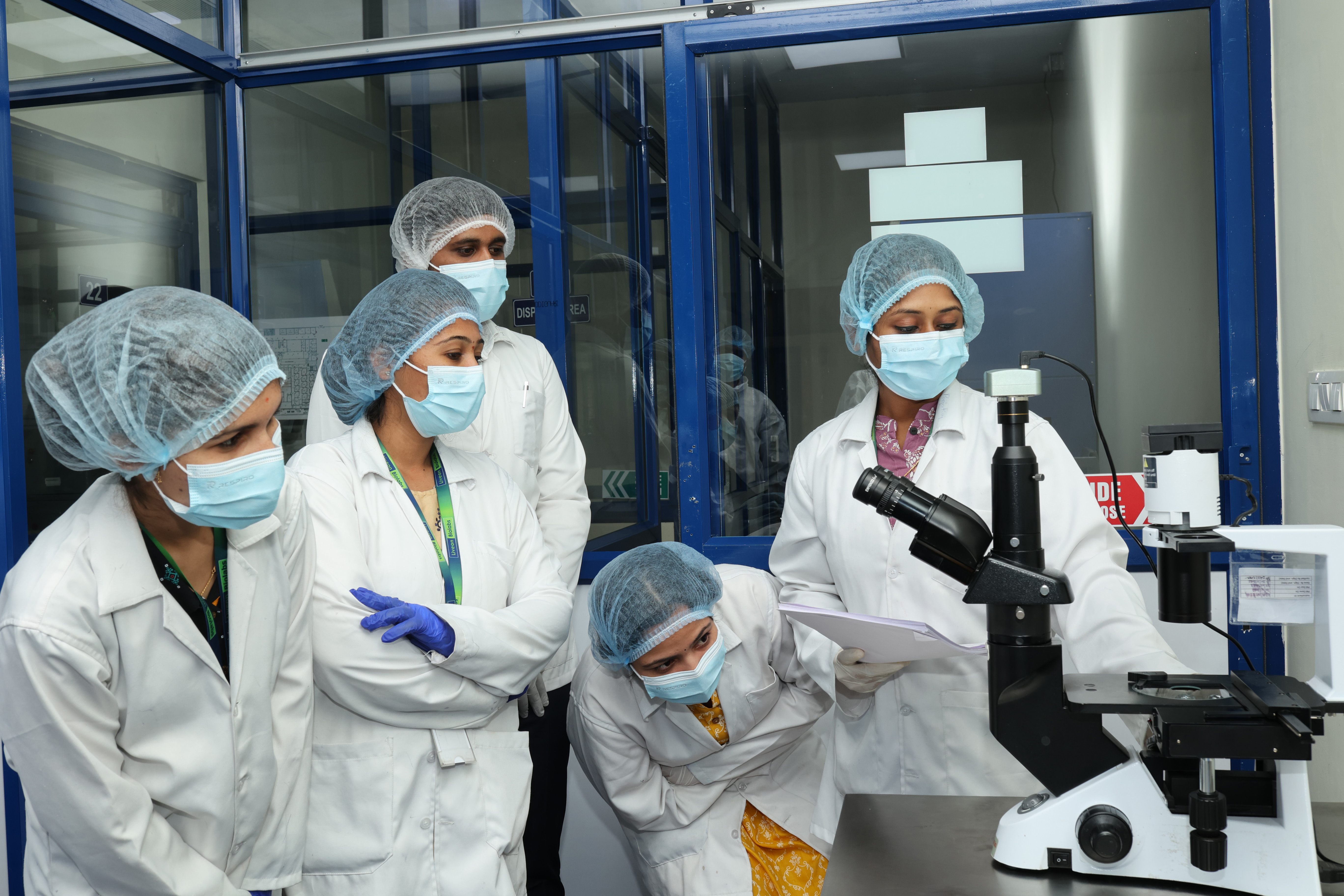
🔹Necropsy & Histopathology

Perform detailed tissue sampling, processing, immunocytochemistry and microscopic evaluation for toxicological assessment.

Guidelines: OECD  125, ISO 10993-11.
Cytotoxicity Studies

Cytotoxicity testing evaluates the potential of a material or compound to cause cell damage or death. It is a key part of biocompatibility assessment for medical devices and chemicals.

Our laboratory performs a comprehensive range of in vitro cytotoxicity assays including:

Irritation and Corrosion Studies

These tests evaluate the potential of a substance to cause skin or eye irritation and corrosion, essential for cosmetic, chemical, and medical device safety assessment.

Phototoxicity Studies

Phototoxicity testing identifies the potential of a substance to induce toxic reactions upon exposure to light (typically UVA/UVB). These are crucial for dermal formulations, cosmetics, and pharmaceuticals that are exposed to sunlight.

.


Animal Model and Diseases

At Liveon Biolabs, we house a wide range of rodent and non-rodent species to support diverse research needs. Our team specializes in developing custom disease models for both efficacy and toxicity studies, ensuring relevance and translational value in preclinical testing.

Our AAALAC-accredited facility is equipped to conduct comprehensive physiological and behavioral assessments to establish no observable adverse effect levels (NOAEL) and efficacy endpoints as required by regulatory guidelines. We are committed to upholding the 4R principles – Replacement, Reduction, Refinement, and Rehabilitation – ensuring ethical, humane, and scientifically robust animal research.

Disease Models Icon Animal Models

Laboratory Animal Models

At Liveon Biolabs, we offer well-characterized and widely accepted laboratory animal models to support diverse in vivo study requirements across therapeutic areas. Our models are maintained under stringent quality conditions in AAALAC-accredited vivariums, ensuring reliability, reproducibility, and regulatory compliance for preclinical testing.

C57BL/6 (C57 Black 6) Mice

A genetically defined inbred mouse strain commonly used in physiological and pathological studies. The strain carries a mutation in the Nicotinamide Nucleotide Transhydrogenase (NNT) gene, leading to impaired mitochondrial antioxidant capacity — making it especially relevant for metabolic and cardiovascular research.

Common Applications:

🔹 Diet-induced obesity studies
🔹 Safety and efficacy assessments
🔹 Immunological studies.(T-cell and B-cell development)
🔹 Inflammation response models
🔹 Fibrosis and cardiomyopathy models
🔹 Heart failure research

C57BL/6 Mouse

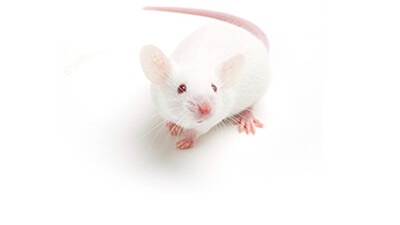
BALB/c Mice

An albino inbred strain known for its immunological and oncological research relevance. BALB/c mice show heightened sensitivity to carcinogens and spontaneously develop tumors, including lung, renal, and reticular neoplasms — ideal for cancer and immune system research.

Common Applications:

🔹 Cancer therapy studies
🔹 Immunological response studies
🔹 Monoclonal antibody production
🔹Viral defense mechanisms
🔹 DNA vaccine evaluations
🔹Anti-plasmodial and antifungal immune response studies
C57BL/6 Mouse

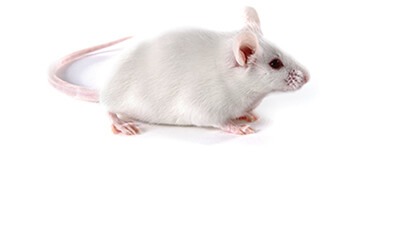
Swiss Albino Mice

A versatile outbred albino strain widely used for general-purpose research. Known for robust adaptability and ease of handling, Swiss Albino mice are an excellent choice for safety, efficacy, and toxicity testing across therapeutic categories.

Common Applications:

🔹 Toxicological evaluations
🔹 Efficacy testing
🔹 Safety pharmacology
🔹 General-purpose preclinical studies
C57BL/6 Mouse

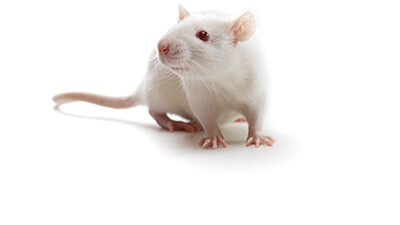
Sprague-Dawley Rat

The Sprague-Dawley rat is a widely used outbred albino strain valued for its calm temperament, rapid growth, and ease of handling. Its longer tail-to-body length ratio makes it ideal for pharmacokinetic and behavioral assessments. This model supports a broad spectrum of research areas and is compliant with international regulatory requirements. Best Study Model for:

Best Study Model for:

🔹 General toxicology studies
🔹 Safety and efficacy pharmacological studies
🔹 Contemporary regulatory toxicology
🔹 Neurobiology and neurobiology research
🔹 Aging models and age-related studies
C57BL/6 Mouse

Wistar Rat

Wistar rats are one of the most widely used laboratory models in preclinical research. This outbred albino strain is known for its stable physiology, consistent growth patterns, and distinct anatomy—including a wide head and shorter tail compared to body length. Their adaptability and well-documented baseline data make them a preferred choice for a wide range of regulatory toxicology and pharmacology studies.

Best Study Model for:

🔹 Cardiotoxicity assessments
🔹 Nephrotoxicity and renal safety studies
🔹 Neurotoxicology studies
🔹 Safety and efficacy pharmacological evaluations
🔹 Aging and metabolic disorder models

C57BL/6 Mouse

Dunkin Hartley Guinea Pig

Dunkin Hartley guinea pigs are a widely used outbred strain in biomedical research. Like humans, they require an external source of Vitamin C, making them highly relevant for nutrition-based and metabolic studies. Their physiological similarity in immune responses and auditory anatomy also makes them ideal for otological and immunological research.

Best Study Model for:

🔹 Otological research (including human serum complement studies)
🔹 Immunological response assessments
🔹 Allergy and hypersensitivity studies

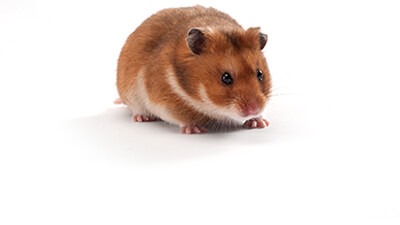
Golden Syrian Hamster

Golden Syrian hamsters, easily recognized by their golden-brown and white coat, are valuable models in preclinical research due to their physiological similarities in endocrine and reproductive systems. They are widely used in studies involving hormonal effects, dental caries, nutrition, cardiovascular health, and infectious diseases. Their predictable response profiles make them ideal for regulatory toxicology and pathology assessments.

Best Study Model for:

🔹 Carcinogenicity studies
🔹 General toxicology studies
C57BL/6 Mouse

New Zealand White Rabbit

The New Zealand White (NZW) rabbit is a widely used albino breed in biomedical and pharmaceutical research. Known for its docile nature, consistent physiology, and ease of handling, this rabbit model is especially valuable in dermatological, ophthalmological, and cardiovascular research. Its size and immunological profile also make it suitable for antibody production studies.

Best Study Model for:

🔹 Cardiotoxicity studies
🔹 Dermatology and wound healing studies
🔹 Antibody production

C57BL/6 Mouse
🔹Infection models

Explore anti-infective efficacy in localized and systemic preclinical infection models.

Skin/Thigh Infection Model – Evaluates topical/systemic antimicrobial activity.

Aerosol/Lung Infection Model – Mimics respiratory pathogen exposure.

Wound Healing Model – Assesses tissue regeneration and antimicrobial healing effects.

Guidelines: OECD GLP.

🔹Diabetes & Obesity models

Assess metabolic, glycemic, and lipid-regulating efficacy in preclinical systems.

OGTT, ITT, GSIS Assays – Evaluate glucose tolerance, insulin sensitivity, and secretion.

Alloxan-Induced Diabetes – Models type 1-like diabetes through beta-cell destruction.

Streptozotocin-Induced Diabetes – Widely used for both type 1 and type 2 diabetes studies.

Diet-Induced Models – Simulate type 2 diabetes and obesity via high-fat feeding.

Triton-Induced Hyperlipidemia – Acute model for dyslipidemia testing.

High Fat Diet-Induced Obesity – Long-term model for obesity-linked metabolic disorders.

Guidelines: OECD TG 426; ICH S6.

🔹Ulcer models

Evaluate gastroprotective effects of compounds in chemically and stress-induced ulceration.

Key Models:

Pylorus Ligation Model – Measures acid secretion and ulcer index.

Ethanol-Induced Ulcer – Acute mucosal injury model.

Indomethacin-Induced Ulcer – NSAID-induced ulcer model.

Acetic Acid-Induced Ulcer – Chronic ulcer model for healing evaluation.

Histamine-Induced Ulcer – Stimulates gastric acid secretion.

Methylene Blue-Induced Ulcer – Oxidative mucosal damage model.

Stress-Induced Ulcer – Mimics psychophysiological ulceration mechanisms.

Guidelines: OECD TG 420, 423 (if toxicity overlap); GLP-compliant protocols.

🔹Tumor models

Establish drug efficacy in diverse tumor microenvironments using standard and translational cancer models.

Subcutaneous Tumor Models – Easily measurable solid tumor growth models.

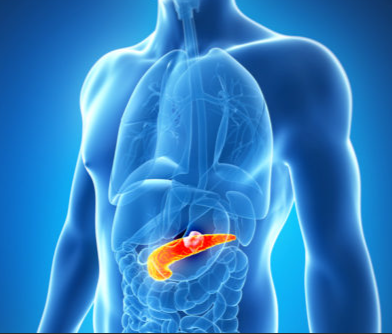
Solid Tumor Cell Lines – Includes ovarian, lung, colon, pancreas, glioblastoma, and breast cancer lines.

Hematological Tumor Lines – AML, CML, and Burkitt’s lymphoma for blood cancers.

Orthotopic Tumor Models – Tumor growth in native organ sites for advanced efficacy testing.

Patient-Derived Xenograft (PDX) Models – Maintain patient tumor heterogeneity for clinical relevance.

Guidelines: OECD GLP; FDA Guidance on Animal Models in Oncology.

🔹Colitis models

Mimic inflammatory bowel disease (IBD) and test anti-inflammatory drug candidates.

Dextran Sodium Sulphate (DSS)-Induced Colitis – Simulates ulcerative colitis pathology.

Oxazolone-Induced Colitis – Th2-mediated colitis model.

Trinitrobenzene Sulfonic Acid (TNBS)-Induced Colitis – Crohn’s disease-like features.

Guidelines: GLP.

🔹Pain & Inflammatory models

Model acute and chronic pain, inflammation, and immune-mediated joint diseases.

CFA/Carrageenan-Induced Hyperalgesia (Rats) – Models inflammatory pain.

Carrageenan &amp; LPS-Induced Paw Edema (Rats) – Tests anti-inflammatory compounds.

Oxazolone-Induced Ear Edema (Mice) – Assesses allergic inflammation.

Anti-inflammatory Study – General evaluation of inflammation-reducing agents.

Acetic Acid-Induced Writhing (Mice) – Measures peripheral analgesic activity.

Collagen-Induced Arthritis – Models autoimmune arthritis.

Adjuvant-Induced Arthritis – Chronic inflammation model for RA drug testing.

Guidelines: OECD TG 404, 405; EULAR recommendations for arthritis models.

📝Animal studies

🧠
Central nervous system (CNS) & Behavioral studies

Assess neuropharmacological effects and cognitive functions through validated animal models.

Open Field Test – Measures exploratory behavior and general activity.

Scopolamine-Induced Amnesia – Models memory impairment for cognition testing.

Forced Swim Test – Assesses depressive-like behavior and antidepressant activity.

Elevated Plus Maze Test – Evaluates anxiety-related behavior.

Y-Maze Test – Tests spatial memory and learning.

Beam Walk Test – Measures motor coordination and balance.

Rota Rod Test – Tests neuromuscular coordination.

Modified Morris Water Maze Test – Assesses spatial learning and memory.

Guidelines: OECD TG 426 (Developmental Neurotoxicity), ICH S7A/B.

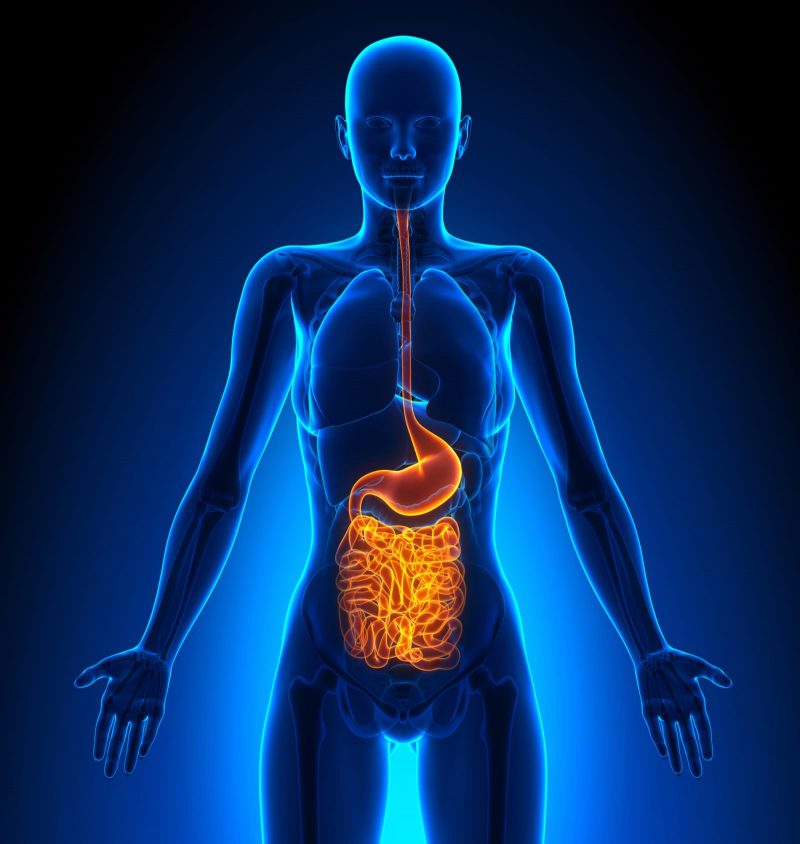
Gastrointestinal Studies

Evaluate efficacy of drugs targeting GI disturbances and parasitic infections.

Antidiarrhoeal Activities – Test compounds for controlling diarrhoea.

Antiamoebiasis Activities – Screen agents against amoebic infections.

Renal & Nephroprotective studies

Test nephrotoxicity and protective efficacy of renal therapeutic agents.

Ethylene Glycol-Induced Urolithiasis – Mimics kidney stone formation.

Diuretic Activity (Lipschitz Test) – Assesses diuretic potential.

Gentamycin-Induced Nephrotoxicity – Evaluates drug-induced kidney damage.

Sodium Oxalate-Induced Urolithiasis – Tests anti-lithogenic activity.

Guidelines: OECD GLP; ICH S3A (Toxicokinetics).

🫁
Respiratory system studies

Model respiratory function, bronchoconstriction, and anti-tussive efficacy in vivo.

Histamine-Induced Bronchospasm – Assesses airway hyperresponsiveness.

Histamine-Induced Bronchoconstriction – Evaluates bronchial inflammation.

Bronchospasmolytic Activity – Measures effectiveness of bronchodilators.

Citric Acid Inhalation-Induced Cough – Tests antitussive agents.

Mechanical Stimulation-Induced Cough – Assesses mechanical trigger response.

Guidelines: OECD TG 412 (Inhalation Toxicity).

Infection Models

Evaluate the allergic potential and hypersensitivity reactions caused by test agents.

Acute Systemic Anaphylaxis – Immediate hypersensitivity testing.

Arthus Type Immediate Hypersensitivity – Local allergic inflammation.

Delayed-Type Hypersensitivity – Evaluates cell-mediated immune response.

Guidelines: OECD TG 406 (Skin Sensitization); ISO 10993-10 (for devices).

👁️
Ophthalmology studies

Screen test agents for protective or therapeutic effects on ocular conditions.

Anticataract Activity – Measures inhibition of lens opacity progression.

Antiglaucomatous Activity – Assesses intraocular pressure-lowering effects.

Guidelines: OECD TG 405 (Eye Irritation); ISO 10993-10.

Type Words and Hit Enter...

LBPL is having state of the art facility and laboratories spread across 80,000 square feet area. Animal Facility and laboratories are equipped with modern and sophisticated instruments on par with latest advancements of the scientific world.

We are here

Liveon Biolabs Pvt. Ltd
Plot No. 46 & 47, Water Tank Rd, 2nd Phase, KIADB Industrial Area, Antharasanahalli, Tumakuru -572106, Karnataka, India.

Contact Me

info@liveonbiolabs.com +91 9480849731,34,35,37

Opening Hours

Monday to Saturday 9:00 am — 6:00 pm
Follow us